



Current Issue


Why voice alarm knowledge matters in historic buildings
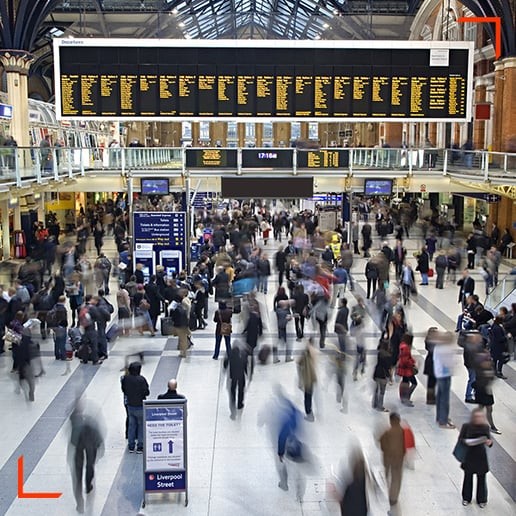 With increasing emphasis on emergency preparedness in public buildings, understanding voice alarm systems and speech intelligibility is becoming more important for those responsible for audio installations in churches, cathedrals and heritage properties.
Many historic buildings now host large congregations, concerts, community events and public gatherings. In an emergency situation, clear voice communication can be critical for ensuring occupants understand evacuation instructions and can respond safely.
To help professionals strengthen their knowledge in this area, the Institute of Sound, Communications and Visual Engineers (ISCVE) is running its Voice Alarm Fundamentals training course this spring.
A Practical Course for Life-Safety Communication
Taking place on 22 April 2026 at the Shure Experience Centre, London, the one-day course provides a practical introduction to the design and operation of voice alarm systems used in life-safety applications.
The programme is structured around the requirements of BS 5839-8:2023, which sets out the framework for designing compliant voice alarm and emergency sound systems.
For engineers and consultants working in historic environments - where acoustics, building fabric and architectural constraints often present unique challenges, understanding these principles is increasingly important.
What the Course Covers
The course explores the fundamentals of voice alarm design and integration, including:
- Voice alarm system principles and categories
- Requirements and compliance considerations under BS 5839-8:2023
- Circuits, zoning and system networking
- Phased evacuation strategies for large or complex buildings
- Alarm messaging and emergency microphone systems
- VACIE routing and control facilities
- Interfacing with fire alarm panels
- Amplifier design and loudspeaker characteristics
- Achieving audibility and intelligibility in challenging spaces
- Line monitoring and system reliability
These topics are particularly relevant in churches and heritage venues, where long reverberation times and complex layouts can make speech intelligibility difficult without careful system design.
Supporting Professional Development
The course contributes structured Continuing Professional Development (CPD) and is aimed at professionals involved in designing, specifying or maintaining audio and emergency communication systems.
It will be of interest to:
- AV engineers and installation specialists
- System integrators working in public buildings
- Consultants and system designers
- Fire and life-safety professionals
- Technical managers responsible for system compliance
Group discounts are available for organisations wishing to train multiple team members.
Training for the Heritage Sector
For those working with historic churches and other heritage sites, understanding the relationship between acoustics, intelligibility and life-safety communication systems is increasingly important as buildings adapt to modern safety expectations while preserving their historic character.
The ISCVE also offers tailored in-house training programmes for companies or organisations seeking more specialised instruction.
Professionals interested in future training opportunities can register their interest through ISCVE’s training programme.
Click here for further information.
VISIT OUR ASSOCIATED SITES