




Current Issue

Illuminating contemplation: purpose, precision and sustainability in sacred and heritage spaces
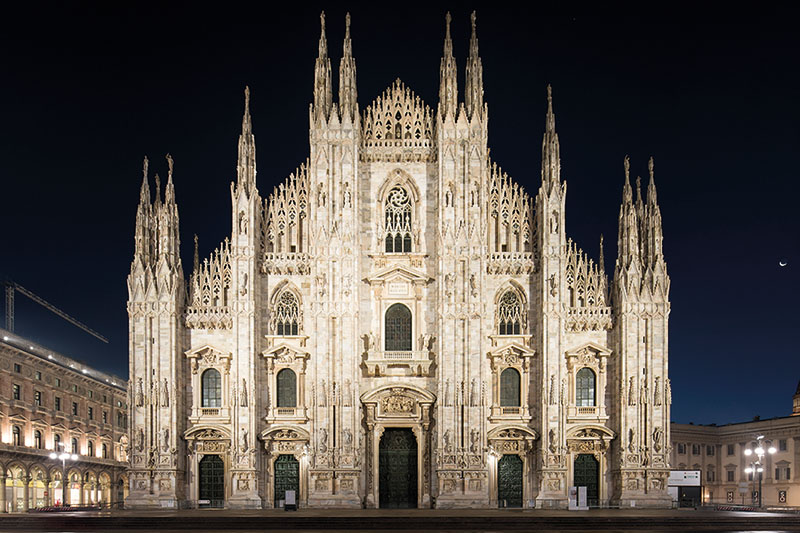 • Milan Cathedral - Photos: Moritz Hillebrand and Timm LangeIn ecclesiastical and heritage buildings, lighting decisions are rarely about the present alone. Thoughtfully designed illumination becomes a long-term investment. A decision that shapes experience, protects historic fabric and supports environmental stewardship for generations to come.
In sacred and historic architecture, lighting is a defining element that shapes how space is perceived, how movement is understood and how moments of reflection are experienced. Carefully considered lighting reveals materiality, clarifies spatial hierarchy and supports wayfinding, while also reinforcing the stillness and reverence these environments demand.
In places designed for contemplation, restraint is as important as illumination. Light becomes meaningful not through abundance, but through intention: guiding the eye to sacred objects, thresholds and routes of movement, while allowing shadow and quiet to remain integral to the experience. Increasingly, this perceptual approach to lighting is being aligned with another priority shared by many custodians of historic buildings: that of long-term environmental responsibility.
Designing with perception in mind
A growing body of lighting practice recognises that good illumination begins with human perception rather than technical maximums. Instead of evenly lighting every surface, designers ask where light genuinely supports understanding, orientation and atmosphere. In sacred spaces, this often means accentuating altars, chapels, artworks and architectural rhythms, while keeping secondary areas deliberately subdued.
This approach offers two significant benefits. First, it reinforces the spiritual and architectural intent of the building, creating calm, legible spaces that invite reflection rather than visual distraction. Second, it allows lighting to be used with discipline and efficiency, reducing energy demand while maintaining visual clarity.
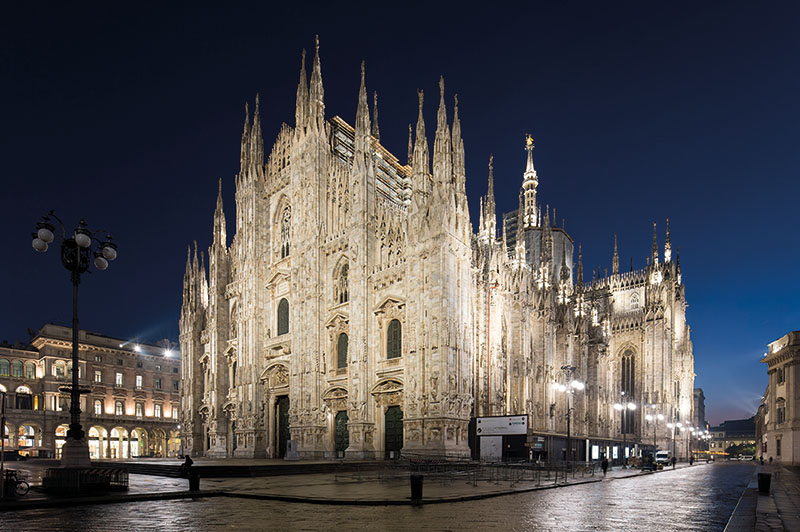 • Milan Cathedral - Photos: Moritz Hillebrand and Timm LangeSustainability as stewardship
In this context, lighting choices carry consequences that extend far beyond immediate visual impact. For custodians of historic buildings, every intervention must justify itself over time. Well-designed lighting solutions are not replaced frequently, nor should they be. Instead, the lighting becomes part of the building’s ongoing story – quietly supporting worship, interpretation and care while minimising environmental and material impact.
This understanding of sustainability moves beyond short-term savings towards stewardship. Lighting must protect sensitive materials through low heat emission, minimise maintenance interventions in hard-to-reach locations, and remain visually relevant for decades. It is here that approaches such as ERCO’s Greenology® have gained traction, linking perceptual lighting design with long service life, efficiency and responsible manufacturing.
Greenology® brings together durable luminaires designed for a service life of 20 years or more, modular construction that supports repair rather than replacement, and production processes aligned with circular economy principles. ERCO’s Light Factory operates using 100% certified renewable electricity, reflecting a broader commitment to reducing both embodied and operational carbon.
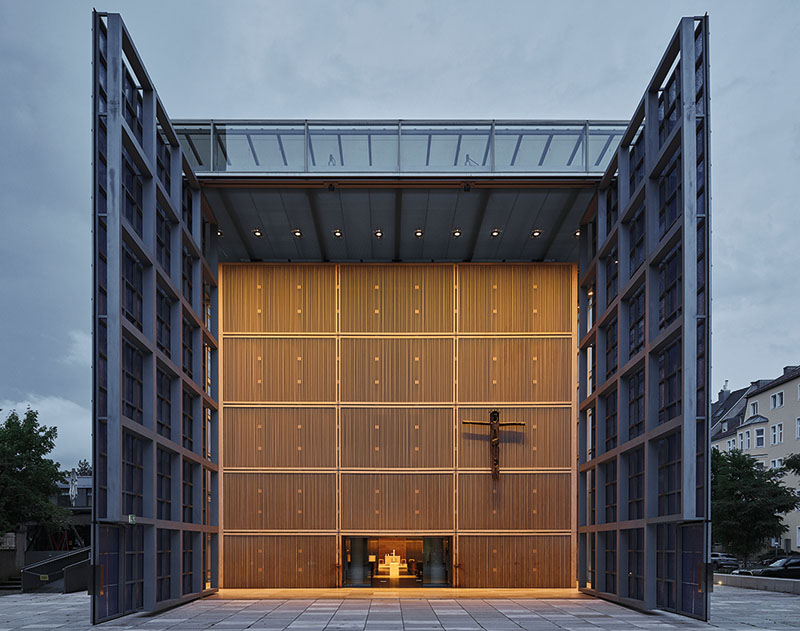 • Herz Jesu Church in Munich - Photos: David SchreyerSustainable illumination in practice
The value of this approach is most clearly demonstrated in completed projects. At Salisbury Cathedral, a comprehensive lighting upgrade replaced an ageing halogen system with LED technology. This resulted in a significant reduction in energy use, with an 80% decrease in internal lighting energy demand and a substantial improvement in visual comfort for worshippers and visitors.
Higher, glare-free lux levels have enhanced accessibility, while carefully directed light has revealed architectural details previously lost to shadow, including traces of medieval paintwork beneath the Triforium arches. For a cathedral already recognised with Gold Eco Church status, the project illustrates how sensitive lighting can support both heritage conservation and net-zero ambitions.
At Milan Cathedral (pictured above), one of Europe’s most complex Gothic structures, precision optics and bespoke mounting solutions have enabled both interior and exterior lighting to articulate form and presence without intruding on the historic fabric. Here, illumination prioritises clarity over spectacle, supporting orientation and legibility while reducing long-term maintenance demands and energy consumption.
This philosophy also underpinned the relighting of Herz Jesu Church in Munich (pictured below). By replacing obsolete halogen technology with modern ERCO LED luminaires that fit existing fixtures and consume only 10-15% of the original power, the project realised up to 90% energy savings, significantly lower maintenance and enhanced control.
Supporting informed decision-making
For those responsible for ecclesiastical and heritage buildings, lighting decisions must balance theology, architecture, conservation and operational reality. Increasingly, emphasis is placed on solutions that are visually discreet, technically robust and environmentally responsible.
Manufacturers such as ERCO support this process through local lighting consultants who work alongside architects, designers and custodians to develop context-specific solutions. This collaborative approach recognises that no two sacred spaces are alike, and that successful lighting must respond to both cultural values and practical constraints.
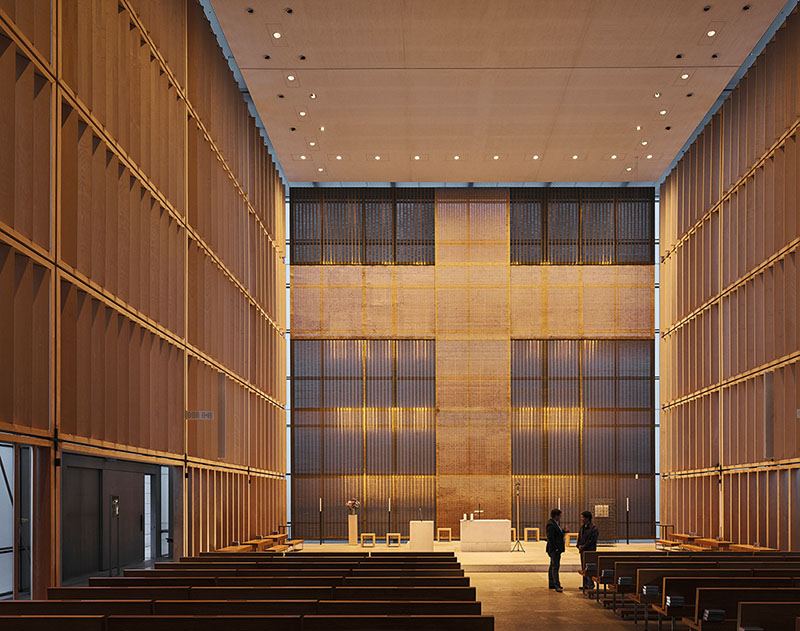 • Herz Jesu Church in Munich - Photos: David SchreyerLight as a long-term investment
When approached thoughtfully, lighting becomes a quiet but powerful contributor to the life of a sacred building. It shapes experience without demanding attention, honours historic architecture without overshadowing it, and supports sustainable operation over decades rather than years.
In sacred buildings, lighting is not a short-term solution. It is an investment in experience, heritage and future stewardship. By reframing illumination in this way, approaches such as Greenology® offer churches and cathedrals a means of addressing conservation, climate responsibility and continued use in a single, integrated gesture.
The result is light that respects silence, reveals architecture with gentle clarity and supports the long-term care of some of the world’s most cherished spaces – ensuring they remain meaningful, legible and sustainable for generations yet to come.
• For more information visit www.erco.com or email This email address is being protected from spambots. You need JavaScript enabled to view it..
VISIT OUR ASSOCIATED SITES