




Current Issue
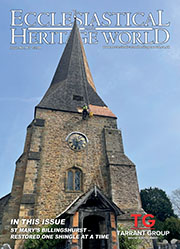


Heritage Roofing
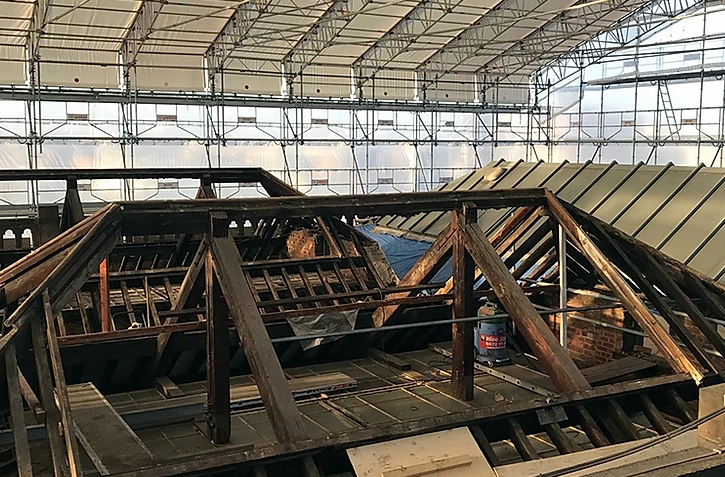
Heritage roofing - maintaining our iconic buildings
The UK is home to some of the most iconic buildings in the world, from stunning churches and cathedrals to historic stately homes. Each and every one of these remarkable feats of architecture requires regular maintenance to ensure they remain in the very best condition, allowing them to be enjoyed for generations.
Cathedral Care
Restoration and upkeep of cathedrals
There are some 42 Anglican cathedrals in the UK, not to mention 20 or so Catholic cathedrals. Cathedrals form the most important collection of historic buildings in England. The largest and most ancient are internationally famous, the smallest are usually among the most significant buildings in their region and even the most recent are architectural masterpieces.
Master Craftsmen

Championing our heritage with modern craftsmanship
Twenty years ago, English Heritage (now Historic England) published its first-ever Register of Buildings at Risk across England, which featured nearly 2,000 buildings and monuments that were ‘neglected, broken and unloved’. Recently Historic England was delighted to announce that over two-thirds of those buildings were now safe, in both urban and rural areas right across the country.
Lightning Protection

When lightning strikes are you protected against this act of God?
The issue of lightning protection in churches is one that has exercised this publication for many years. In this four-part series of spotlights on the issue we will be revisiting various aspects of the subject, beginning with an overview of current thinking.
Traditional Lime
Lime: it’s better for buildings – and for the environment
It is now fairly well known that cement is not good for old buildings and that lime mortar should be used. But why? What are the advantages and what are the disadvantages? In order to begin to answer those questions it is necessary to understand the nature of traditional building, the process by which buildings used to be built, and how it differs from modern construction, the process by which we build today.
Audio Visual

Audio visual equipment in church buildings
This guidance is issued by the Church Buildings Council under section 55(1)(d) of the Dioceses, Mission and Pastoral Measure 2007. As it is statutory guidance, it must be considered with great care. The standards of good practice set out in the guidance should not be departed from unless the departure is justified by reasons that are spelled out clearly, logically and convincingly.
Read More...







Heritage Funding
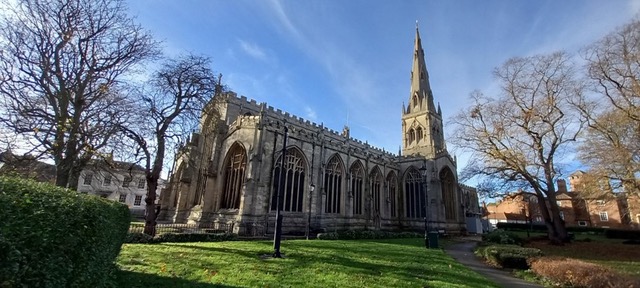
£48m heritage funding opens for churches and historic buildings
Part of £1.5 billion government investment in cultural organisations over a five-year period
Thousands of churches and historic buildings across England could benefit from a major new £48 million funding package aimed at urgent repairs, regeneration projects and wider community use.
CRE Events

Christian Resources Exhibition enters a new chapter as Church Resources Exhibition
The Christian Resources Exhibition (CRE), the UK’s largest church-related show, has changed hands in its 40th year and has been taken over by Quartz Business Media.
Insurance
You need to ensure that reasonable precautions are in place at your church to keep it safe for those who use it. To do this, you need to think about what might cause harm to people.
You will then need to decide if the precautions already in place are adequate. If they are not, you may need to identify further action to prevent any danger. When done formally, this is known as a risk assessment.
Church Maintenance
Church maintenance and repair: Calendar of Care
Just as prevention is always better than cure, maintenance is preferable to major repairs. But, such repairs may not always be avoidable. Church Care offers a monthly guide in our coming issues Starting in Spring
We can help you understand the common problems and areas that need your special attention, and give you tips for regular maintenance schemes.
Pest Control
Michael Palin warns of pest threat to churches
Michael Palin is supporting the future of the UK’s historic churches and chapels with a voiceover for a new animated film. The 80 second animation, produced for the National Churches Trust, highlights why churches are some of the nation’s best loved buildings.
Town Halls
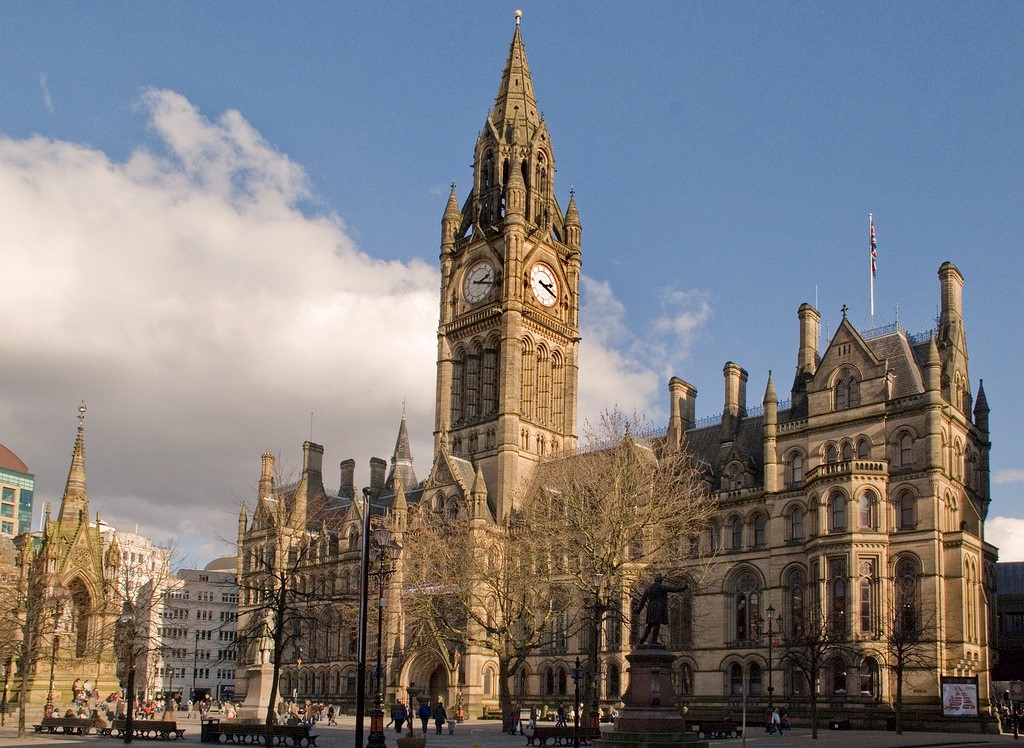
The history of the great Victorian Town Halls of Northern England
From industrial squalor to civic pride, the story behind some of the most impressive buildings of the North involve a unique mix of economics, grand designs and noble sentiments within communities.
Lead Roofing
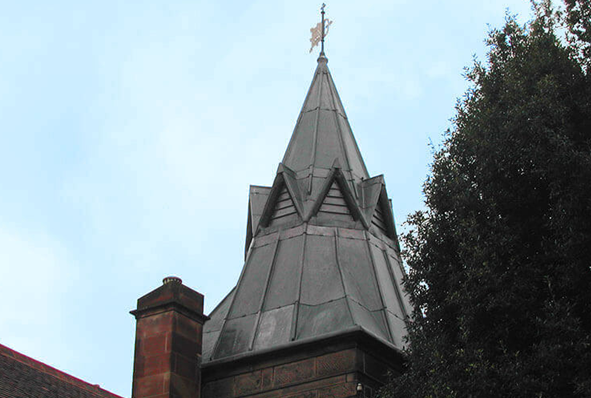
Lead is one of the oldest materials in the roofing industry and is still commonly used throughout the world today.
Lead roofing is a traditional roofing method which has been used in the industry for hundreds of years, and is therefore proven to be extremely reliable. Lead roofing, and sand-cast lead, in particular is ideal for old buildings such as churches or historical renovations, whereas milled lead roofing is a mass-produced alternative, used for precision and accuracy in homes and commercial buildings alike.


SEARCH OUR DIRECTORY
LCA - 25 YEARS OF MAINTAINING STANDARDS
LCA--- 25 YEARS OF MAINTAINING STANDARDS
From Alistair Rae, Chairman, Lead Contractors Association 1984 - 1986
It was a cold November day in London as I arrived off the sleeper from Edinburgh to attend the first meeting of a working party set up to consider the formation of a trade association for specialist lead contractors. The meeting had been arranged by the Lead Development Association after earlier efforts involving the BSI had foundered, mainly because of the cost of running a small independent trade organisation of only a hundred members.
I was expecting to become part of an organisation which would involve some very large companies and was therefore somewhat taken aback when Dick Murdoch, Senior Technical Officer of the LDA, (now Lead Sheet Association) asked me to Chair the first meeting.
However, what were to become the basic principals of the new Lead Contractors Association came to the fore right from the outset and over the months that followed, the fundamentals of the Association were developed.
We agreed that all companies would have to prove their ability to install lead sheet correctly by being vetted. Membership would be open to both large and small companies and there would be one vote per member, regardless of company size.
Developing these ideals into a formal constitution didn’t just happen overnight. The discussions ranged (perhaps I should say “raged”) over the size of companies which could be members, the timing and frequency of vetting, the designation of a company and how the LCA could distinguish work carried out on a “labour-only” sub contract basis from that where the contractor took full responsibility on a “supply and fix” contract, as well as many more issues. The arguments were often heated with different views sometimes being quite forcibly expressed by those attending the early meetings. However, despite the different convictions held, the first meetings were purposeful and friendly and a really good camaraderie quickly developed.
My first aspirations for the new Association were to gain early recognition and acceptance by architects and specifiers and in doing so, start to create a better understanding of good design and workmanship. Twenty five years later, the LCA now holds a position of respect within the building industry that few other organisations can claim.
We are acknowledged as specialists by architects and specifiers, with an increasing requirement of LCA membership for building projects that involve the installation of lead sheet. It is recognised that all our members have been assessed for their technical ability in designing and installing lead sheet in order to join our Association, and thereafter their continuing ability to produce work which complies with the current standard (BS 6915) is regularly tested.
There is no doubt that, essentially as a result of ongoing communication, standards within the LCA have risen since its formation, as photographs over the years in the Annual directory will testify. The training programme that was started at Leicester College in 2001, transferred to the Building Craft College at Stratford in 2004 and is now operated from the Lead Sheet Association’s Roof Training Centre in Kent certainly helped increase awareness of good practice. The LCA technical seminars held annually at various locations have highlighted new applications and discussed problems that have arisen over the years. Specific projects have been dissected and examined as case studies so that one contractor’s experiences have provided benefits for all our membership, both new and old.
Most importantly, this communication and contact at our various meetings and events has not only brought about the exchange of knowledge between members which in the past rarely ever occurred, it has also provided for both the development of a mutual appreciation in quality standards and a professional camaraderie that I am proud to have been a part of.
The Murdoch Award which has been presented annually since 1996 to the contractor showing excellence in design and workmanship has encouraged members to consistently carry out work of the highest standard. The competitive element of this award has given a quality standards incentive to large and small companies alike.
The future of the LCA is now in the hands of our younger members and if older Councillors like myself could offer any advice, it would be to willingly give of the knowledge they have for the benefit of all - the contractor, the tradesman and the customer. Only by maintaining good design and workmanship will our craft continue to out-live and out-perform alternatives that may initially appear cheaper but which cannot possibly match the long term value of lead sheet in the hands of a skilled specialist.
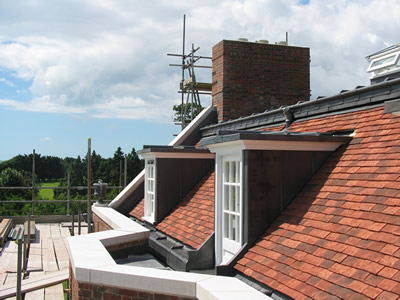
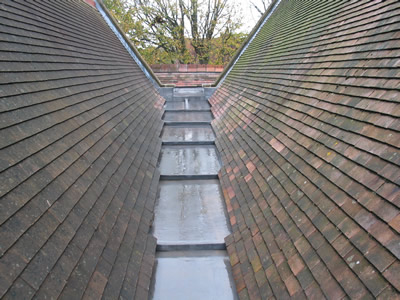
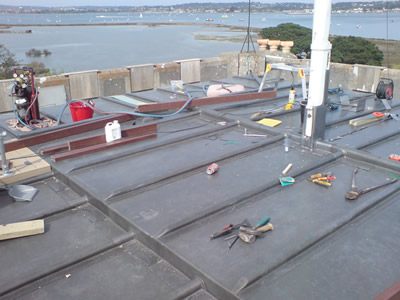
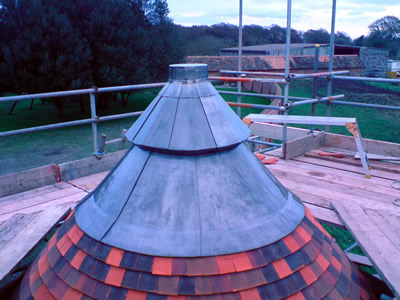
Work in progress shots from Sykes Roofiing
VISIT OUR ASSOCIATED SITES