




Current Issue
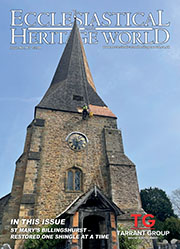


Heritage Roofing
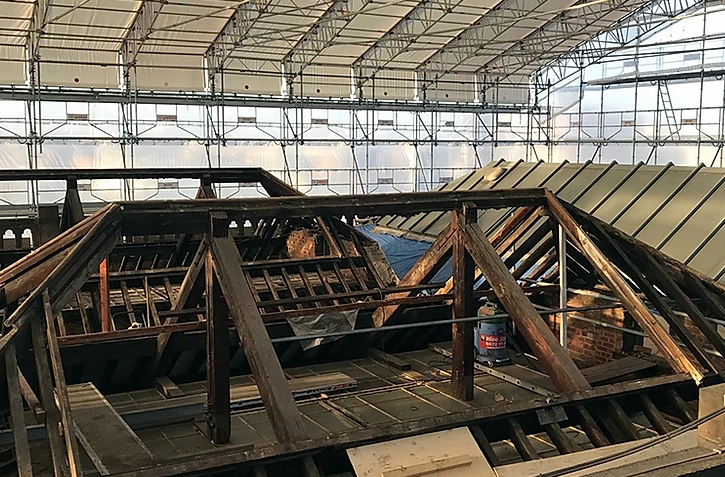
Heritage roofing - maintaining our iconic buildings
The UK is home to some of the most iconic buildings in the world, from stunning churches and cathedrals to historic stately homes. Each and every one of these remarkable feats of architecture requires regular maintenance to ensure they remain in the very best condition, allowing them to be enjoyed for generations.
Cathedral Care
Restoration and upkeep of cathedrals
There are some 42 Anglican cathedrals in the UK, not to mention 20 or so Catholic cathedrals. Cathedrals form the most important collection of historic buildings in England. The largest and most ancient are internationally famous, the smallest are usually among the most significant buildings in their region and even the most recent are architectural masterpieces.
Master Craftsmen

Championing our heritage with modern craftsmanship
Twenty years ago, English Heritage (now Historic England) published its first-ever Register of Buildings at Risk across England, which featured nearly 2,000 buildings and monuments that were ‘neglected, broken and unloved’. Recently Historic England was delighted to announce that over two-thirds of those buildings were now safe, in both urban and rural areas right across the country.
Lightning Protection
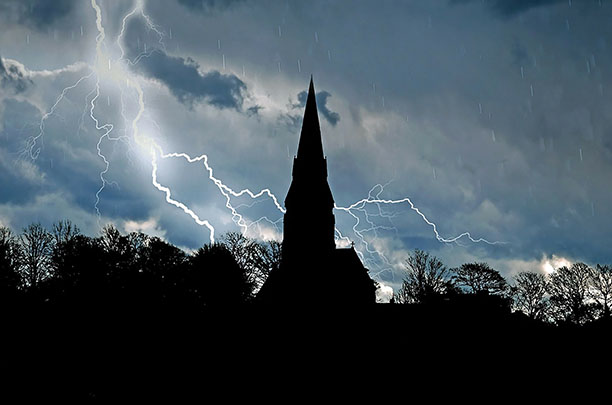
When lightning strikes are you protected against this act of God?
The issue of lightning protection in churches is one that has exercised this publication for many years. In this four-part series of spotlights on the issue we will be revisiting various aspects of the subject, beginning with an overview of current thinking.
Traditional Lime
Lime: it’s better for buildings – and for the environment
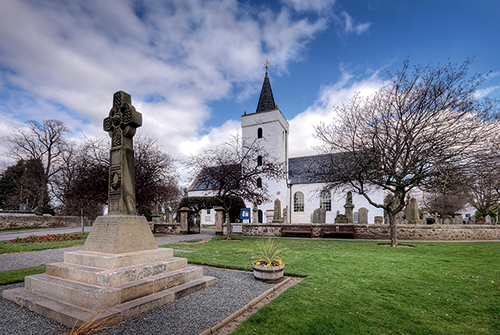
It is now fairly well known that cement is not good for old buildings and that lime mortar should be used. But why? What are the advantages and what are the disadvantages? In order to begin to answer those questions it is necessary to understand the nature of traditional building, the process by which buildings used to be built, and how it differs from modern construction, the process by which we build today.
Audio Visual

Audio visual equipment in church buildings
This guidance is issued by the Church Buildings Council under section 55(1)(d) of the Dioceses, Mission and Pastoral Measure 2007. As it is statutory guidance, it must be considered with great care. The standards of good practice set out in the guidance should not be departed from unless the departure is justified by reasons that are spelled out clearly, logically and convincingly.
Read More...







Heritage Funding
£48m heritage funding opens for churches and historic buildings
Part of £1.5 billion government investment in cultural organisations over a five-year period
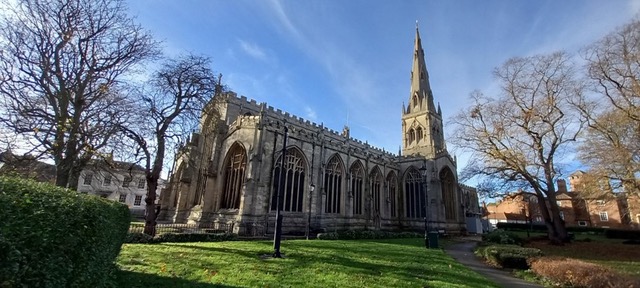
Thousands of churches and historic buildings across England could benefit from a major new £48 million funding package aimed at urgent repairs, regeneration projects and wider community use.
CRE Events

Christian Resources Exhibition enters a new chapter as Church Resources Exhibition
The Christian Resources Exhibition (CRE), the UK’s largest church-related show, has changed hands in its 40th year and has been taken over by Quartz Business Media.
Insurance
You need to ensure that reasonable precautions are in place at your church to keep it safe for those who use it. To do this, you need to think about what might cause harm to people.
You will then need to decide if the precautions already in place are adequate. If they are not, you may need to identify further action to prevent any danger. When done formally, this is known as a risk assessment.
Church Maintenance
Church maintenance and repair: Calendar of Care
Just as prevention is always better than cure, maintenance is preferable to major repairs. But, such repairs may not always be avoidable. Church Care offers a monthly guide in our coming issues Starting in Spring
We can help you understand the common problems and areas that need your special attention, and give you tips for regular maintenance schemes.
Pest Control
Michael Palin warns of pest threat to churches
Michael Palin is supporting the future of the UK’s historic churches and chapels with a voiceover for a new animated film. The 80 second animation, produced for the National Churches Trust, highlights why churches are some of the nation’s best loved buildings.
Town Halls
The history of the great Victorian Town Halls of Northern England
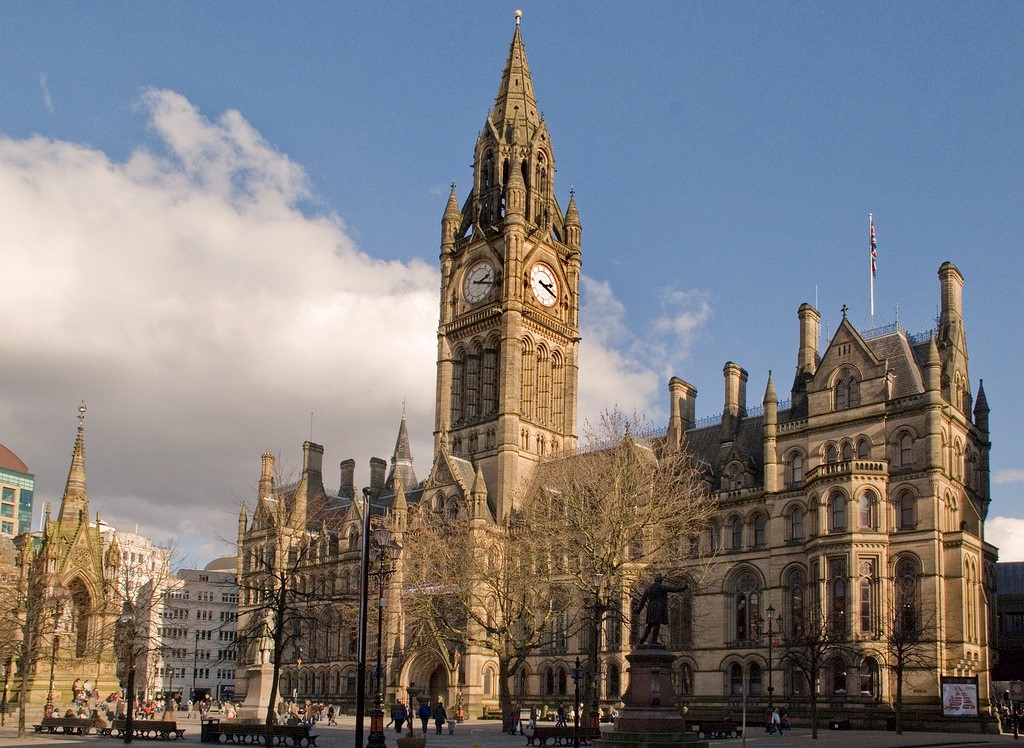
From industrial squalor to civic pride, the story behind some of the most impressive buildings of the North involve a unique mix of economics, grand designs and noble sentiments within communities.
Lead Roofing
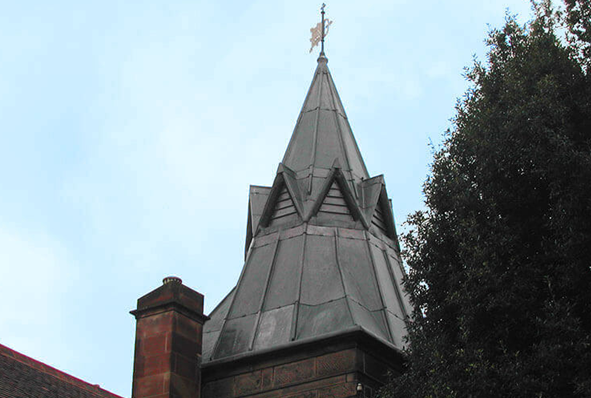
Lead is one of the oldest materials in the roofing industry and is still commonly used throughout the world today.
Lead roofing is a traditional roofing method which has been used in the industry for hundreds of years, and is therefore proven to be extremely reliable. Lead roofing, and sand-cast lead, in particular is ideal for old buildings such as churches or historical renovations, whereas milled lead roofing is a mass-produced alternative, used for precision and accuracy in homes and commercial buildings alike.


SEARCH OUR DIRECTORY
Climate change and the built heritage: conference highlights challenges
There was unanimity at a conference on Sustainability and Historic Buildings on the need to improve the way we manage our built heritage in the face of climate change.
The conference, held on 19-20 May, was jointly organised by the Chartered Institute of Building (CIOB), the National Trust, English Heritage and Somerset House. The feeling among delegates was that policymakers, owners of historic buildings and educationalists all need to take note of the findings.As Environment Agency chair Lord Smith reminded the delegates, the scientific consensus on the likely speed of climate change has recently been revised – and the news isn’t good. A sea level rise of up to two metres is now expected over the next 90 years. That, along with new rainfall patterns which raise the likelihood of flash flooding, presents a danger to many of our most iconic landmarks.
Deborah Lamb, director of policy and communications at English Heritage, warned of hard choices to be made. Some historic buildings cannot realistically be saved and may have to be surrendered in the wake of annual flooding.
For most owners of historic buildings, however, knowing how to deal with occasional severe weather events is all-important. Perhaps the most important thing for them to be aware of is the danger posed by well-meaning – but non-specialist – contractors who may be called in to assist with the process of drying out a building after flooding. Historic finishes can be scraped off quite unnecessarily – and in complete contravention of the rules if it’s a listed building – while liberal use of spray disinfectant could also have a damaging effect on interiors.
It’s all too easy for the average homeowner to follow the advice of the contractor, however misguided, which is why flood remediation specialists need to understand the specific requirements of historic houses. That underlined a point made by another speaker: Sir John Sorrell, chairman of CABE.
“Refurbishment needs to become a core part of the curriculum in schools of the built environment,” he said. “Caring for our heritage takes skilled and specialist craftspeople. We need to make that glamorous – and inspire our young people to learn to preserve their heritage.”
Until those skills are more widely understood many opportunities to preserve the past will be lost forever, and that is true not only when dealing with the impacts of climate change. The regulations designed to arrest the increase in global warming are also causing a problem for many historic homes, and it’s purely due to a lack of specialist skills.
As English Heritage’s Chris Wood explained, the change in the Building Regulations governing the conservation of heat and power (Part L) has seen irreplaceable historic windows consigned to the tip because of a mistaken belief that they can’t comply with the new regulations. The wood these windows are made from was called “common deal” in the 18th century, but it’s now impossible to obtain anything of such high quality because the forests the wood came from are all protected.
Disposing of such windows, which can last hundreds of years, to replace them with PVC double glazing is anything but environmental. Joint research with Historic Scotland is identifying many interventions – some as simple as a thick pair of curtains – which can make such windows compliant with modern standards.
The importance of research and detailed understanding of the particular needs of a property was also stressed by John Edwards, chair of the CIOB’s Conservation, Maintenance and Refurbishment Group. Seemingly little things such as peeling paint are often symptoms of a deeper problem, and detailed investigation of a building is vital if the right intervention is to take place.
Hank Dittmar, chief executive of The Prince’s Foundation for the Built Environment, underlined the message that breaking from the past is the last thing we should be doing if we want to become more sustainable.
“The terraces and mansion blocks of our historic urban environment are inherently more sustainable than suburbia,” he said. “The worst houses for sustainable performance are actually post-war.”
However, while the gap in our training of future professionals exists, mistakes will continue to be made in the stewardship of our historic environment. As both the climate and the legislative environment change with unprecedented rapidity, we need specialists equipped to look after the built heritage more than ever.
Sir Patrick Cormack, head of the Parliamentary All Party Heritage Committee, has invited representatives from the conference to present their findings when Parliament reconvenes in the autumn – a clear sign of recognition at the highest level of the need to find solutions while there’s still time to act.
VISIT OUR ASSOCIATED SITES