




Current Issue
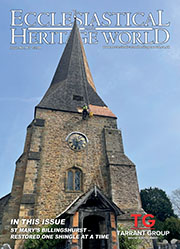


Heritage Roofing
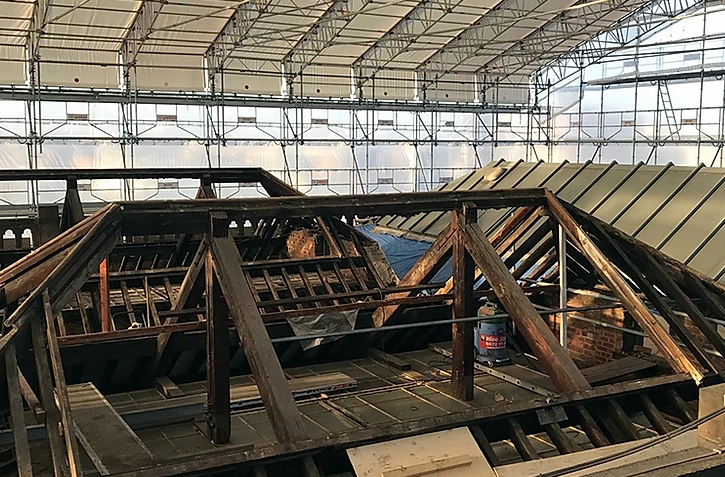
Heritage roofing - maintaining our iconic buildings
The UK is home to some of the most iconic buildings in the world, from stunning churches and cathedrals to historic stately homes. Each and every one of these remarkable feats of architecture requires regular maintenance to ensure they remain in the very best condition, allowing them to be enjoyed for generations.
Cathedral Care
Restoration and upkeep of cathedrals
There are some 42 Anglican cathedrals in the UK, not to mention 20 or so Catholic cathedrals. Cathedrals form the most important collection of historic buildings in England. The largest and most ancient are internationally famous, the smallest are usually among the most significant buildings in their region and even the most recent are architectural masterpieces.
Master Craftsmen

Championing our heritage with modern craftsmanship
Twenty years ago, English Heritage (now Historic England) published its first-ever Register of Buildings at Risk across England, which featured nearly 2,000 buildings and monuments that were ‘neglected, broken and unloved’. Recently Historic England was delighted to announce that over two-thirds of those buildings were now safe, in both urban and rural areas right across the country.
Lightning Protection

When lightning strikes are you protected against this act of God?
The issue of lightning protection in churches is one that has exercised this publication for many years. In this four-part series of spotlights on the issue we will be revisiting various aspects of the subject, beginning with an overview of current thinking.
Traditional Lime
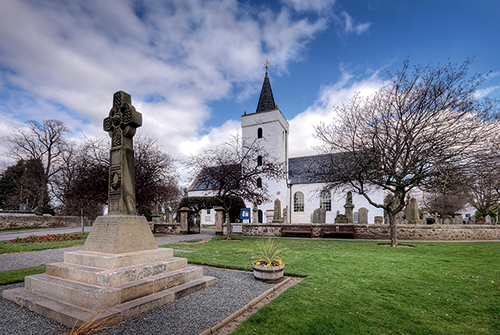
Lime: it’s better for buildings – and for the environment
It is now fairly well known that cement is not good for old buildings and that lime mortar should be used. But why? What are the advantages and what are the disadvantages? In order to begin to answer those questions it is necessary to understand the nature of traditional building, the process by which buildings used to be built, and how it differs from modern construction, the process by which we build today.
Audio Visual

Audio visual equipment in church buildings
This guidance is issued by the Church Buildings Council under section 55(1)(d) of the Dioceses, Mission and Pastoral Measure 2007. As it is statutory guidance, it must be considered with great care. The standards of good practice set out in the guidance should not be departed from unless the departure is justified by reasons that are spelled out clearly, logically and convincingly.
Read More...







Heritage Funding
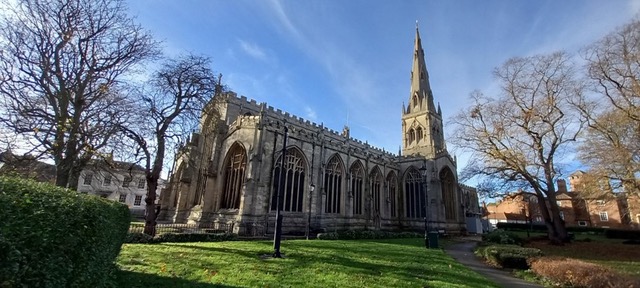
£48m heritage funding opens for churches and historic buildings
Part of £1.5 billion government investment in cultural organisations over a five-year period
Thousands of churches and historic buildings across England could benefit from a major new £48 million funding package aimed at urgent repairs, regeneration projects and wider community use.
CRE Events

Christian Resources Exhibition enters a new chapter as Church Resources Exhibition
The Christian Resources Exhibition (CRE), the UK’s largest church-related show, has changed hands in its 40th year and has been taken over by Quartz Business Media.
Insurance
You need to ensure that reasonable precautions are in place at your church to keep it safe for those who use it. To do this, you need to think about what might cause harm to people.
You will then need to decide if the precautions already in place are adequate. If they are not, you may need to identify further action to prevent any danger. When done formally, this is known as a risk assessment.
Church Maintenance
Church maintenance and repair: Calendar of Care
Just as prevention is always better than cure, maintenance is preferable to major repairs. But, such repairs may not always be avoidable. Church Care offers a monthly guide in our coming issues Starting in Spring
We can help you understand the common problems and areas that need your special attention, and give you tips for regular maintenance schemes.
Pest Control
Michael Palin warns of pest threat to churches
Michael Palin is supporting the future of the UK’s historic churches and chapels with a voiceover for a new animated film. The 80 second animation, produced for the National Churches Trust, highlights why churches are some of the nation’s best loved buildings.
Town Halls
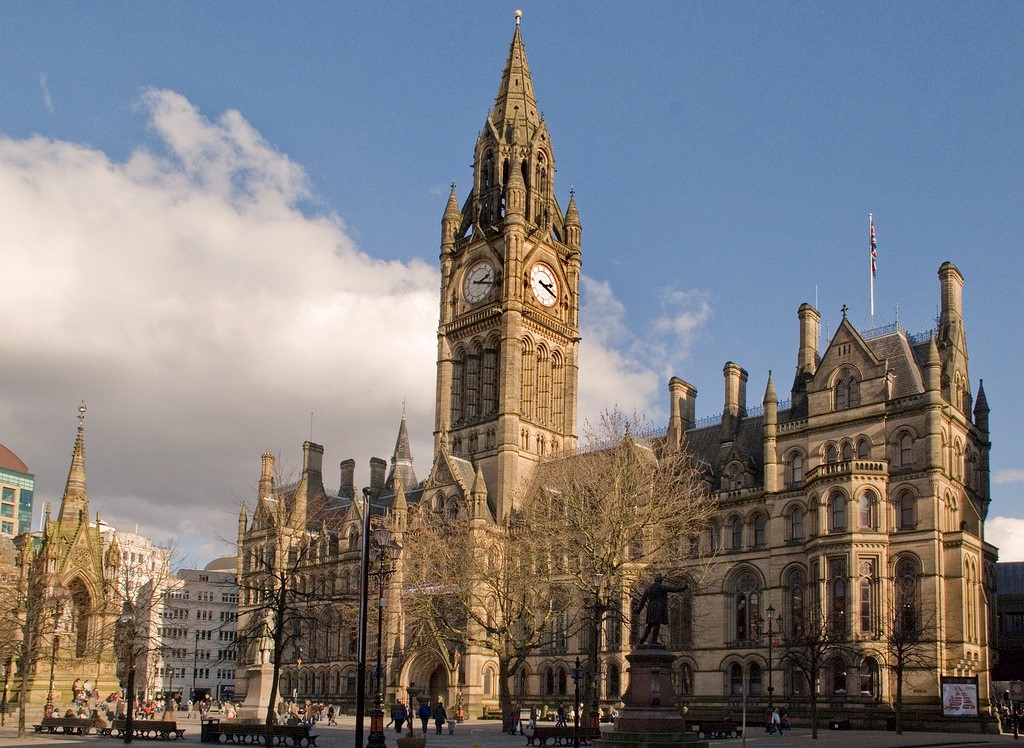
The history of the great Victorian Town Halls of Northern England
From industrial squalor to civic pride, the story behind some of the most impressive buildings of the North involve a unique mix of economics, grand designs and noble sentiments within communities.
Lead Roofing
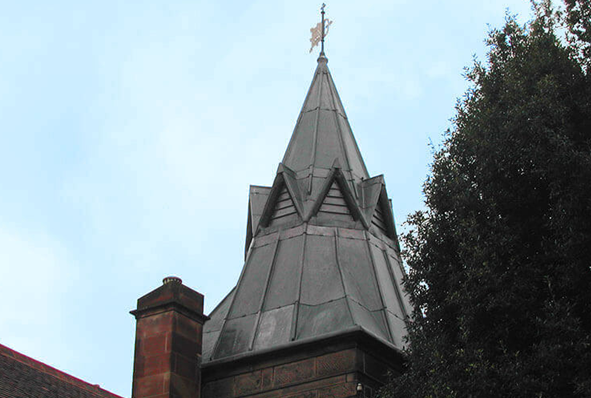
Lead is one of the oldest materials in the roofing industry and is still commonly used throughout the world today.
Lead roofing is a traditional roofing method which has been used in the industry for hundreds of years, and is therefore proven to be extremely reliable. Lead roofing, and sand-cast lead, in particular is ideal for old buildings such as churches or historical renovations, whereas milled lead roofing is a mass-produced alternative, used for precision and accuracy in homes and commercial buildings alike.


SEARCH OUR DIRECTORY
Is Copper in Architecture Sustainable?
Pia Voutilainen (Director of the Scandinavian Copper Development Association) and John Schonenberger (CEO of the European Copper Institute) demonstrate how the use of copper in architecture is consistent with the EU's 'Sustainable Consumption and Production' action plan.
The concept of sustainability is one of the current priorities in EU policy. On 16th July 2008, the European Commission presented the Sustainable Consumption and Production and Sustainable Industrial Policy (SCP/SIP) Action Plan. It includes a series of proposals that will contribute to improving the environmental performance of products and to increasing the demand for more sustainable goods and production technologies. The Construction Products Directive and upcoming Regulation have the same goals for the building sector.
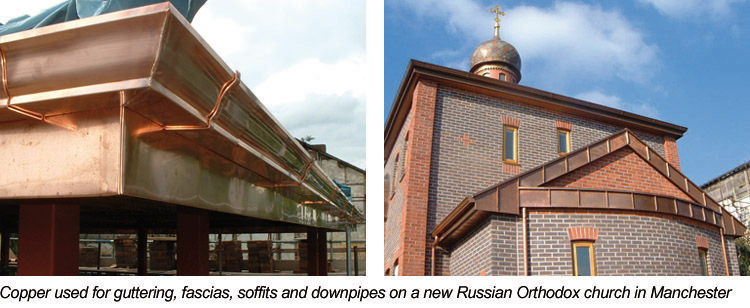
Throughout the past decades, the copper industry has made outstanding progress in both its environmental and energy performance. The innovation of the industry’s engineers helped to develop processes that are still in use today and are considered to represent the ‘Best Available Technologies’ in the EU.
Energy Efficiency
The key breakthrough was to exploit the chemical energy content of the copper ore feed, thus avoiding the need for externally produced energy to melt the metal content of the ore. In fact, this ‘flash smelting’ process results in an excess of energy that can be used elsewhere on the production site, or to feed the district heating grid of a nearby city. At the same time, the sulphur dioxide released through smelting the feed is captured to produce a commercially valuable by-product, sulphuric acid. This has made an important contribution towards the reduction of acid rain across Europe.
The Engineers also continued to improve the ability to separate out the many different metal containing compounds that exist in naturally occurring ores. Today’s processes can refine the valuable components in copper ores, such as gold and silver, as well as collect the various dusts and scale for recyling on site, or through specialised treatment operations managed by third parties. The remaining inert materials are then used in road construction.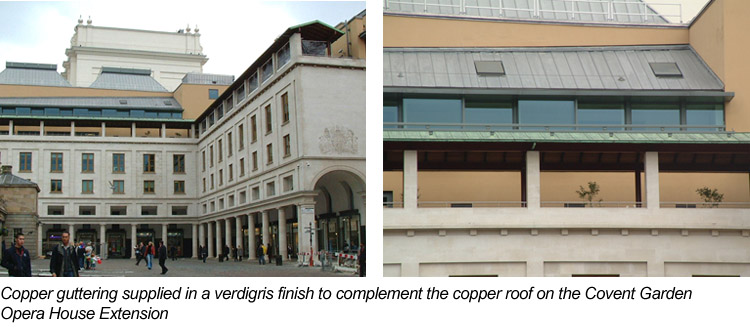
Limiting Emissions
In the 70s and 80s, the need to meet ever tighter environmental limits has required companies to make multi-million investment in equipment to reduce emissions to water and air. Local and national authorities have played an important role in setting site permit conditions that achieve an appropriate balance between safeguarding the local environment and maintaining local investment and employment.
More recently, the new EU wide framework directives on air, soil, water and sediment have resulted in a much more intense focus on the emissions from both production and materials in use. The setting of safe limits for chemicals, including metals, requires the use of the right methodologies and the interpretation of a massive amount of scientific data. All of this is complex and time-consuming. Under the pressure to be seen to be providing citizens with an increasingly risk free environment, the tendency is, therefore, much more towards increased simplicity in the setting of future limits that are arithmetically lower than those in the past. With no disrespect to the officials charged with managing this effort, there is insufficient understanding of the consequences of such an approach.
Stakeholders need to place more emphasis on carrying out proper cost/benefit analyses before lowering limit values, particularly for naturally occurring elements, such as copper, where natural background levels and the risk of mineral deficiency in humans and plants need to be taken into account. For example, in the case of copper production, the climate damaging CO2 emissions from the energy required to operate additional cleaning and filtering equipment, to further reduce emissions, would actually outweigh the benefits achieved.
Major Copper Industry Investment
To assist regulators in their work, over the past eight years the copper industry has made a multi-million euro investment in developing a comprehensive risk assessment for the manufacture, use and end of life of copper containing products. It has been extensively reviewed and then approved by the Commission and Member States. It will not form the backbone of the industry’s obligations under the new REACH legislation. The assessment concluded that the existing regulatory framework is sufficient to ensure that copper causes no risk to the environment or to humans in its current applications.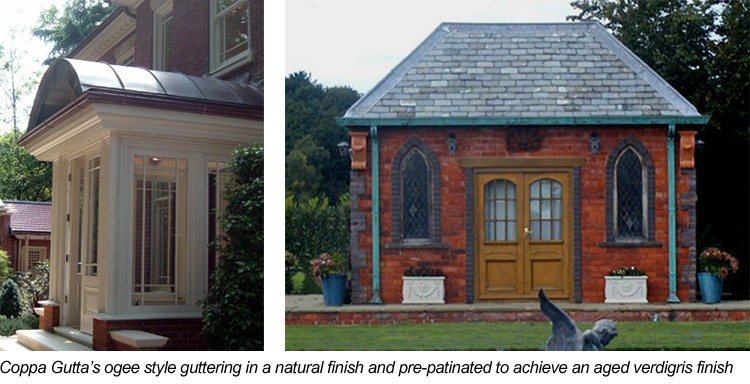
Copper’s use in architecture is extremely sustainable. External applications have outstanding life-spans, often measured in centuries. At their eventual end of life, the copper can be recycled again and again, without any loss in performance, with the recycling process only requiring around 20% of the energy needed to extract and process primary metal. Currently, around 40% of Europe’s annual copper demand is sourced via recycling. The industry’s risk assessment also identified that architectural copper contributes less than 1% of the diffuse emissions from copper products in the EU. Even then, research shows that this small amount is very quickly bound to inert compounds and complexes, such as concrete, in the vicinity of a building.
As we have seen, another important sustainable consideration for copper is the way in which the mineral extracted from the earth’s crust gives up its energy in the smelting process. The challenge facing both industry and policy makers is how to incorporate these clear benefits into the myriad of eco-design tools, sustainability assessments, socio-economic analysis linked to substitution and life cycle assessments that exist. Long life and endless recyclability are certainly not sufficiently incorporated into the indicators currently under development and this needs to be addressed. Of particular importance for Copper Forum readers, through the efforts of its national Copper Development Associations, the industry is continuing to support national regulators in, for example, environmental product declarations. Our European life cycle inventory data http://www.kupfer-institut.de/lifecycle/ has been in place since 2003 and has been accepted into the EU database.
So, the answer to our original question ‘Is copper in architecture sustainable?” – is most definitely yes. In architecture, copper delivers long life spans, is indefinitely recyclable and comes from an industry that has clearly demonstrated its ability to operate within the EU’s challenging regulatory framework.
Written by Pia Voutilainen and John Schonenberger
Images courtesy of Coppa Gutta.
VISIT OUR ASSOCIATED SITES