




Current Issue
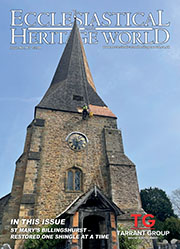

Heritage Roofing
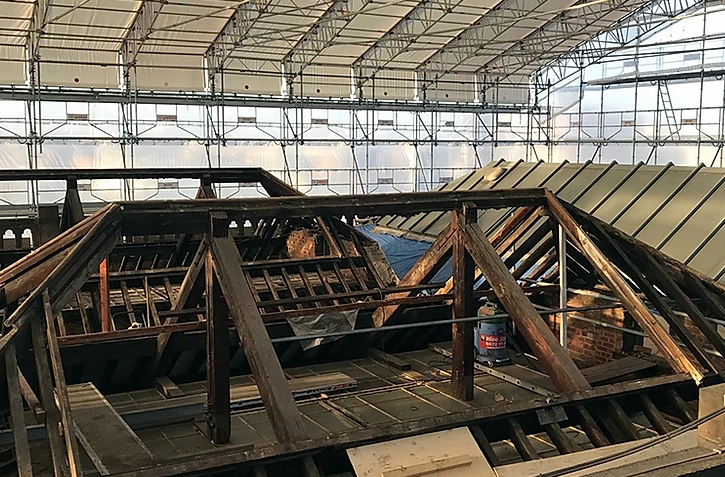
Heritage roofing - maintaining our iconic buildings
The UK is home to some of the most iconic buildings in the world, from stunning churches and cathedrals to historic stately homes. Each and every one of these remarkable feats of architecture requires regular maintenance to ensure they remain in the very best condition, allowing them to be enjoyed for generations.
Cathedral Care
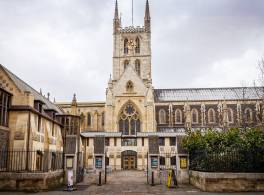
Restoration and upkeep of cathedrals
There are some 42 Anglican cathedrals in the UK, not to mention 20 or so Catholic cathedrals. Cathedrals form the most important collection of historic buildings in England. The largest and most ancient are internationally famous, the smallest are usually among the most significant buildings in their region and even the most recent are architectural masterpieces.
Master Craftsmen

Championing our heritage with modern craftsmanship
Twenty years ago, English Heritage (now Historic England) published its first-ever Register of Buildings at Risk across England, which featured nearly 2,000 buildings and monuments that were ‘neglected, broken and unloved’. Recently Historic England was delighted to announce that over two-thirds of those buildings were now safe, in both urban and rural areas right across the country.
Lightning Protection
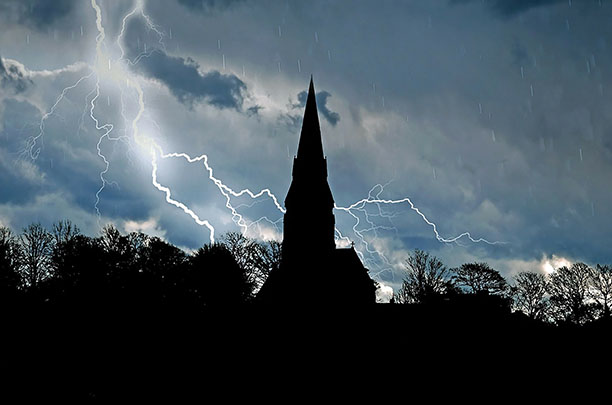
When lightning strikes are you protected against this act of God?
The issue of lightning protection in churches is one that has exercised this publication for many years. In this four-part series of spotlights on the issue we will be revisiting various aspects of the subject, beginning with an overview of current thinking.
Traditional Lime
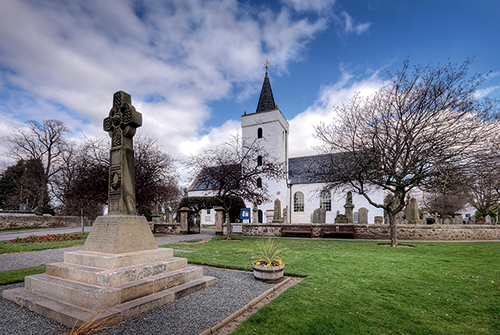
Lime: it’s better for buildings – and for the environment
It is now fairly well known that cement is not good for old buildings and that lime mortar should be used. But why? What are the advantages and what are the disadvantages? In order to begin to answer those questions it is necessary to understand the nature of traditional building, the process by which buildings used to be built, and how it differs from modern construction, the process by which we build today.
Audio Visual
Audio visual equipment in church buildings
This guidance is issued by the Church Buildings Council under section 55(1)(d) of the Dioceses, Mission and Pastoral Measure 2007. As it is statutory guidance, it must be considered with great care. The standards of good practice set out in the guidance should not be departed from unless the departure is justified by reasons that are spelled out clearly, logically and convincingly.
Read More...







Heritage Funding
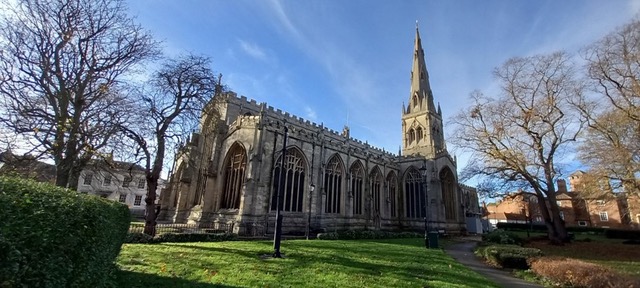
£48m heritage funding opens for churches and historic buildings
Part of £1.5 billion government investment in cultural organisations over a five-year period
Thousands of churches and historic buildings across England could benefit from a major new £48 million funding package aimed at urgent repairs, regeneration projects and wider community use.
CRE Events

Christian Resources Exhibition enters a new chapter as Church Resources Exhibition
The Christian Resources Exhibition (CRE), the UK’s largest church-related show, has changed hands in its 40th year and has been taken over by Quartz Business Media.
Insurance
You need to ensure that reasonable precautions are in place at your church to keep it safe for those who use it. To do this, you need to think about what might cause harm to people.
You will then need to decide if the precautions already in place are adequate. If they are not, you may need to identify further action to prevent any danger. When done formally, this is known as a risk assessment.
Church Maintenance
Church maintenance and repair: Calendar of Care
Just as prevention is always better than cure, maintenance is preferable to major repairs. But, such repairs may not always be avoidable. Church Care offers a monthly guide in our coming issues Starting in Spring
We can help you understand the common problems and areas that need your special attention, and give you tips for regular maintenance schemes.
Pest Control
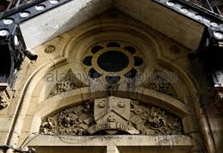
Michael Palin warns of pest threat to churches
Michael Palin is supporting the future of the UK’s historic churches and chapels with a voiceover for a new animated film. The 80 second animation, produced for the National Churches Trust, highlights why churches are some of the nation’s best loved buildings.
Town Halls
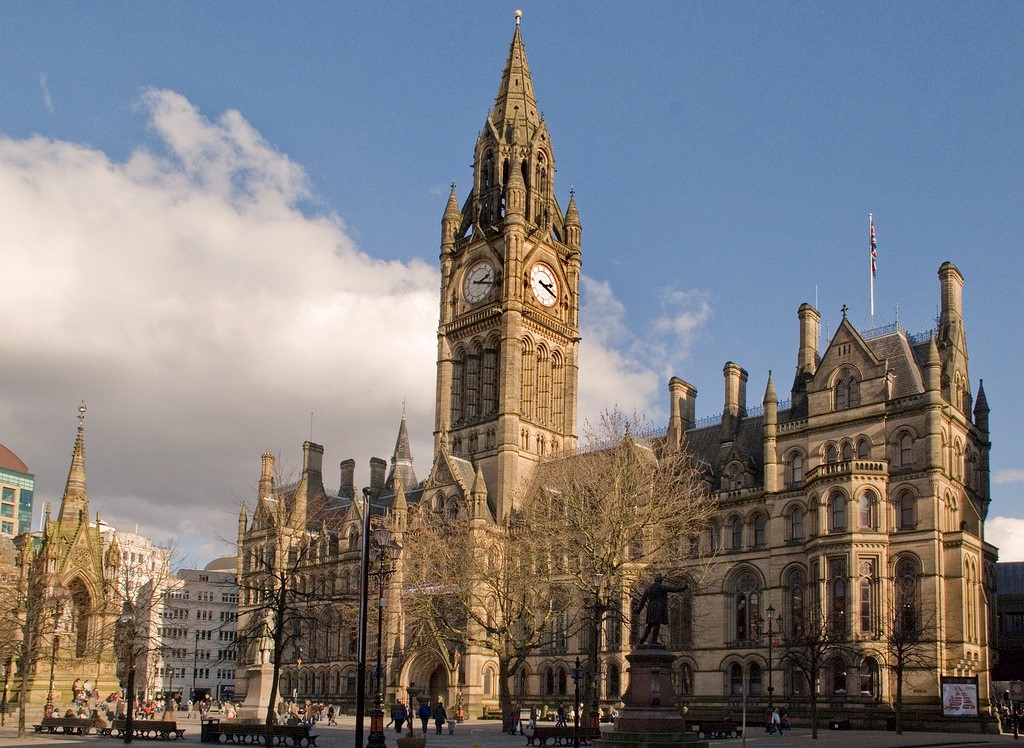
The history of the great Victorian Town Halls of Northern England
From industrial squalor to civic pride, the story behind some of the most impressive buildings of the North involve a unique mix of economics, grand designs and noble sentiments within communities.
Lead Roofing
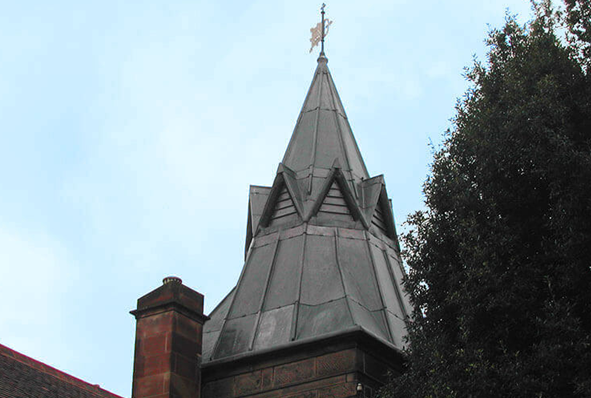
Lead is one of the oldest materials in the roofing industry and is still commonly used throughout the world today.
Lead roofing is a traditional roofing method which has been used in the industry for hundreds of years, and is therefore proven to be extremely reliable. Lead roofing, and sand-cast lead, in particular is ideal for old buildings such as churches or historical renovations, whereas milled lead roofing is a mass-produced alternative, used for precision and accuracy in homes and commercial buildings alike.
SEARCH OUR DIRECTORY
Burlington protecting the regions roofing heritage
With Cumbria being home to one of the richest sources of natural slate not just here in the UK but globally, every manner of building and structure is adorned with what is unquestionably the finest roof covering in the world. And Burlington Stone of Kirkby-in-Furness is intent on keeping things that way by refocusing its energies on promoting the virtues of what is a quintessentially British product .As Sales & Marketing Director, Nick Williams enthuses: “Our message is a clear one. If you’re looking to create a roofscape completely in unison with the local vernacular and which is proven to offer longevity, then investing in part of the region’s cultural heritage remains a must. Given that roofing slate has been quarried for over 400 years from the heart of the English Lake District, it is proven to stand the test of time and guaranteed to provide an exquisite finish to any home or building, new or refurbished.”
Burlington’s protectionist policy towards Lakeland slate has, in part, been driven by the influx of imported slate products into Cumbria and the surrounding region over recent years. As Nick injects: “Whilst we acknowledge that competition locally is healthy, as a major producer of what is without doubt the best natural slate roofing money can buy, it does after all carry the BSI Kitemark to standard EN12326, we have an obligation to make specifiers aware of the many reasons, all of which have been substantiated for centuries, why not only buying British, but buying the best of British is a number one priority. You could say it a sure fire way of avoiding some of the pitfalls that can result from specifying what we would quantify as lesser quality products from other sources,” he adds.
It is against such a backdrop of caveat emptor (‘let the buyer beware’), that Burlington is embarking on reaffirming the aesthetic and technical benefits of a product that guarantees to deliver a traditional roof-covering look.
“Nothing compare to Burlington’s natural slate in terms of its quality. Whilst many argue that alternatives tend to give a one dimensional, almost artificial appearance to a roof, Lakeland slate is proven to weather sympathetically and harmonises with other natural materials used to construct a dwelling,” continues Nick.
Boasting a unique character and natural beauty, it can be supplied and laid using many different sizes and patterns to striking effect. Enhanced by the clean incisive lines and details, its fashioned regularity conveys the line and mass of the roof in a manner that is unmatched by other materials.
Burlington’s roofing slate is available in three distinct formats: random slates for a unique natural look, patterned slates for fixed lengths and widths to create a more uniformed appearance and sized slates that come in stated lengths and various widths. For roofs that are lower in pitch, especially those with hips and valleys, sized slates are ideal.
Choose from Westmorland Green, a pale green stone, often highlighted by contrasting veins that emphasise its natural origins or Blue/Grey, a stone that is an even colour throughout.
The technical properties of Burlington’s slate reign supreme in every way, being non-combustible, unaffected by freeze/thaw cycling, atmospheric pollution, acid rain and salt spray. Likewise, they will not rot or delaminate, do not encourage the growth of lichens or mosses and are compatible with all common building materials.
Quite simply, Burlington’s roofing slate stands as the only true roofing material and whatever the project, it speaks permanence, consideration and quality. What’s more, in terms of its environmental credentials, never before has roofing slate been so sympathetically extracted and produced.
As Nick Williams injects: “Burlington operates a progressive environmental policy that aims to minimise the impact on the surrounding environment from its quarrying operations, whilst endeavouring to extend its waste management techniques to maintain a sustainable industry for the future. Furthermore, as extraction and production techniques tend to be comparable irrespective of where a stone’s source emanates, given that our roofing slate is produced locally, its carbon footprint is far less significant than those that are not native to Cumbria.
Concluding Nick added: “Burlington is a major employer within the Cumbria region, with well over 200 jobs reliant on the continued fortunes of both the company’s roofing slate and architectural product range. Given that the company remains committed to investing in the area, the call to specifiers and local authorities is for them to follow our lead by continuing to do the same.”
VISIT OUR ASSOCIATED SITES